
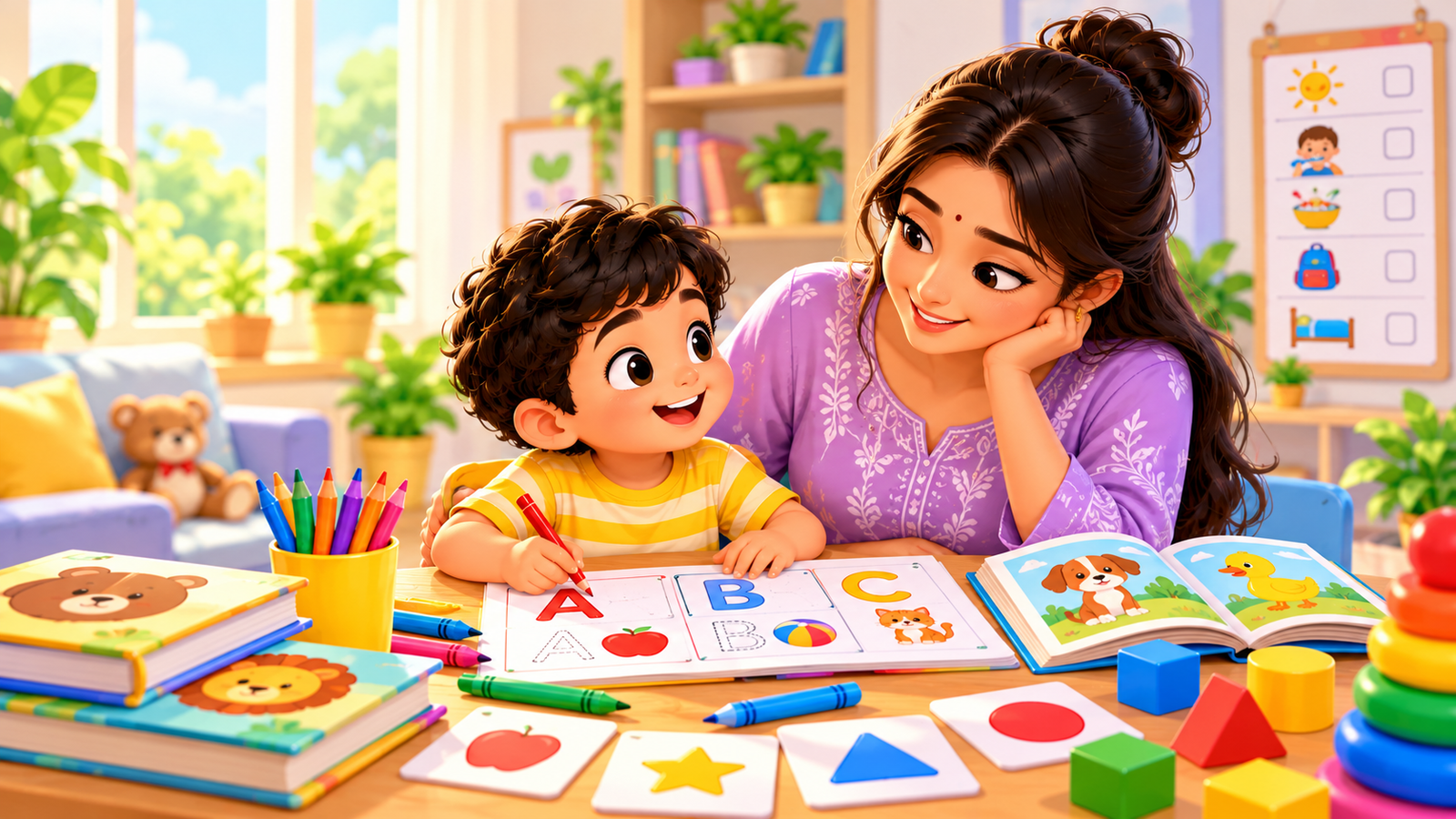
Top 5 Parenting Tips to Help Children Learn and Grow
Parenting is a rewarding journey filled with learning, challenges, and memorable moments. Children develop new skills every day, and parents play an important role in helping them become confident, curious, and independent.
You don't need expensive toys or complicated activities to support your child's development. Small, consistent actions at home can help children learn through everyday experiences. Here are five practical parenting tips to try with your family.
1. Spend Quality Time Together
Children benefit from meaningful attention and interaction with their parents. Reading a story, talking about their day, playing a simple game, or drawing together can create opportunities for connection and learning.
Try setting aside a little time each day when you can focus on your child without distractions. Ask open-ended questions such as, "What was your favourite part of today?" and listen carefully to their answers.
Try this at home: Read a short picture book together and ask your child to describe their favourite character or picture.
2. Build Simple and Consistent Routines
Predictable routines can help children understand what to expect throughout the day. Regular times for meals, play, learning, and bedtime can make daily activities easier to manage.
Keep routines realistic for your child's age and your family's schedule. If something changes, explain it calmly and give your child time to adjust.
Try this at home: Create a simple daily chart with pictures for activities such as brushing teeth, reading, playtime, and getting ready for bed.
3. Make Learning Fun Through Play
Young children naturally explore the world through play. Everyday activities can help them practise language, counting, problem-solving, creativity, and observation.
You can count fruits while preparing a meal, identify colours during a walk, sort toys by shape, or practise letters using paper and crayons. Keep activities short and enjoyable, and allow your child to explore at their own pace.
Try this at home: Ask your child to find three objects that are red, count five building blocks, or match objects with similar shapes.
Printable worksheets can also provide structured practice when used alongside conversation, play, and hands-on activities.
4. Encourage Effort and Curiosity
Children need opportunities to try, make mistakes, and try again. Instead of focusing only on correct answers or finished work, recognise the effort they put into learning.
For example, you might say, "You kept trying until you finished that letter," or "I like how you found another way to solve the problem."
Give your child time to ask questions and explore new ideas. Offer help when needed, but encourage them to attempt age-appropriate tasks independently.
Try this at home: When your child struggles with a puzzle or worksheet, offer a small hint and let them attempt the next step.
5. Communicate With Patience and Understanding
Children are still learning how to express their feelings, follow instructions, and manage frustration. Calm communication can help them feel heard while learning appropriate boundaries.
Get down to your child's eye level when possible, use simple language, and give one instruction at a time. Acknowledge their feelings while explaining what needs to happen next.
For example, you could say, "I know you want to keep playing. It's time to put the toys away now, and then we can get ready for dinner."
Try this at home: When your child becomes upset, listen first, name the feeling if appropriate, and guide them toward a safe and constructive next step.
Make Everyday Moments Count
Supporting your child's development does not require perfect parenting. Focus on building a warm environment where your child feels safe to ask questions, practise new skills, and learn from mistakes.
Start with one small habit this week, such as reading together for a few minutes, introducing a simple routine, or making counting part of everyday activities. Adjust each activity to your child's age, interests, and abilities.
At KidVani, we believe learning can be part of everyday family life. Explore our printable educational worksheets and choose activities that suit your child's current learning needs.
What works best in your family? Share your favourite tip for making learning enjoyable at home.